La Peligrosa Fase de Popularidad
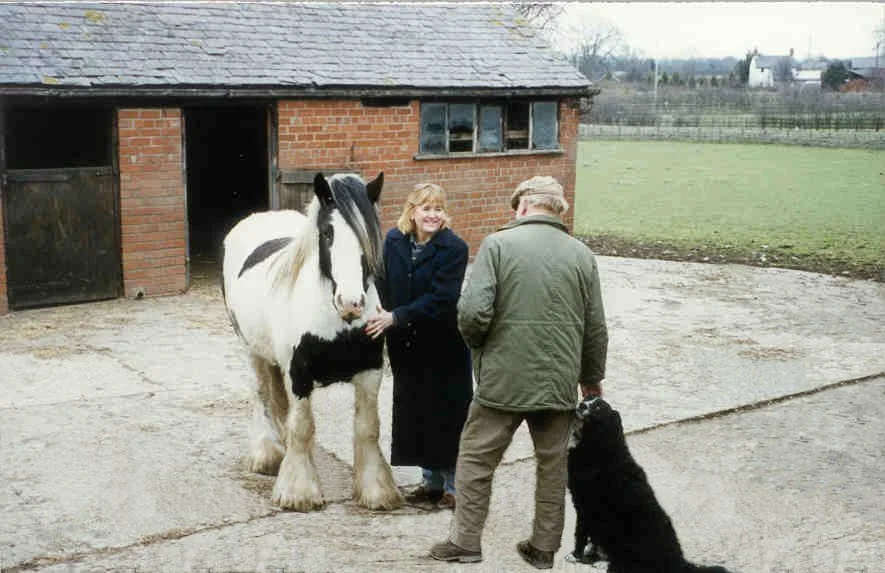
Cindy Thompson en el momento en que descubrió a “The Log” —también conocido como Cushti Bok—, el primer caballo Gypsy Vanner registrado del mundo (GV 0000001).
“El caballo siempre come primero.”
Hay una fase peligrosa por la que eventualmente atraviesa toda raza pura y poco común: la Popularidad. Cuando un caballo se pone de moda, el mundo empieza a "interpretarlo".
Aparecen los atajos. El marketing se hace más ruidoso. El estándar se vuelve flexible. Y poco a poco, lo que alguna vez fue distintivo se diluye.
El Gypsy Vanner nunca fue un accidente de color ni de plumas en las patas. Fue moldeado con intención por las familias itinerantes de Gran Bretaña — hombres como Tom Price, Steve Down, Patsy McCann y sus familias — mucho antes de que existieran los registros, mucho antes de las redes sociales, mucho antes de que la palabra "exótico" se convirtiera en un gancho de venta. Ellos no perseguían tendencias. Estaban creando un tipo.
Lo que hoy conocemos como Líneas de Herencia (Heritage Lines) proviene de cuatro o cinco familias gitanas prominentes, esencialmente interconectadas, a menudo descritas como la cría Connors. De estas familias surgieron los pilares de la raza:
Sonny Mays.
The Coal Horse.
The Lob Eared Horse.
The Kent Horse.
The White Horse (Romany Rye “Gypsy Gentleman").
The Old Horse of Wales.
The Lion King.
SD Wooly Mammoth.
Estos no fueron experimentos de moda de traspatio. Fueron animales fundacionales. Llevaban el temperamento original del Gypsy Vanner — sereno, inteligente, profundamente orientado hacia las personas. Eran casi exclusivamente pinto (piebald), overo (skewbald), blagdon o splash. Aunque ningún registro prohíbe formalmente el color, los patrones altamente "exóticos" que hoy inundan el mercado no son históricamente representativos de estas líneas.
Muchos de esos colores requieren cruces externos — influencia de Appaloosa, Frisón, warmblood — introducidos para modificar la apariencia. Y ahí está el problema. Cuando se mezcla la sangre, se mezcla el temperamento. Se mezcla la estructura. Se mezcla la previsibilidad genética. Tanto los estudios genéticos como la experiencia práctica de cría demuestran que, una vez cruzada, la pureza verdadera no puede restablecerse de forma confiable durante muchas generaciones — a menudo se citan siete o más retrocruces consecutivos hacia stock Gypsy auténtico. Eso significa cruzar el mestizo de vuelta con un Vanner puro mientras se intenta conservar el color, esperar a que madure, y repetir el proceso una y otra vez.
Siete generaciones no es un desvío corto. Son décadas. Entonces, cuando aparecen caballos de la nada en nuevos mercados con colores dramáticos, sin herencia verificable y sin confirmación de ADN que los conecte con las familias establecidas, queda claro: no provienen de las líneas originales. Son producto de la demanda moderna.
No hay nada inherentemente "malo" en estos caballos, pero hay una razón por la cual los registros prohíben estrictamente el cruce de razas. Uno debe entender lo que está comprando. Sin herencia, no hay garantía de la conformación original:
• Dorso corto
• Pecho ancho
• Hombre angulado
• Grupa profunda y redondeada, con ángulo natural
• Orejas cortas
• Cabeza refinada pero fuerte
Y lo más importante: no hay garantía del temperamento original.
Con más de 30 años de ADN y el registro oficial de la raza en existencia, uno debe preguntarse por qué un potro no tendría su genealogía documentada. Incluso la Familia Down, criadores de gran prestigio con cientos de caballos, saben exactamente qué semental estuvo con cada grupo de yeguas. Jimmy McCann proclamará con gusto — y con precisión absoluta — los nombres de cada ancestro de cada caballo que posee, remontándose más de 109 años atrás.
Los hombres que forjaron esta raza no priorizaron la moda. De hecho, la moda les era irrelevante. Su primera prioridad era el cuerpo y la mente. Cuando pasamos meses estudiando la raza en su origen — con Dennis Thompson en Ocala y junto a las familias originales Romaní e Irish Didicoy en Gran Bretaña — un mensaje se repitió constantemente: Primero la estructura. El temperamento, siempre.
Lo que más resonó en nosotros no fue el color ni los trofeos. Fue una frase sencilla que escuchamos una y otra vez:
"Los caballos siempre comen primero."
En tiempos de hambruna, en tiempos de estrechez financiera, en tiempos en que los recursos escaseaban, los caballos comían antes que la familia. ¿Por qué? Porque el semental tiraba del carromato. Transportaba a la familia. Trabajaba los campos todo el día. Cubría a las yeguas por la noche. Protegía a los niños. Generaba el futuro. Era sustento, protección y legado. Si el caballo se debilitaba, todo el ciclo colapsaba. Por eso comía primero. Esa filosofía lo dice todo sobre cómo se formó esta raza.
Se construyó sobre la utilidad, la lealtad y la resistencia — y luego se refinó en belleza.
En Le Rêve Noir, no "le agregamos" Gypsy. Protegemos al Gypsy. Criamos dentro de las Líneas de Herencia “Heritage Lines”. Estudiamos la estructura antes que el color. Valoramos el hueso por encima del destello. Priorizamos el temperamento con la misma fiereza con que priorizamos el tipo. Decimos que no más veces de las que decimos que sí.
Porque cuando un estándar se vuelve opcional, el original desaparece. Y una vez que el original desaparece, no se le puede simplemente re-inventar de vuelta a la existencia. Nuestra responsabilidad en las Américas no es la expansión, es la preservación y la dedicación a honrar a las familias Gypsy y su visión original.
Somos Le Rêve Noir
Formados en el origen.
Guiados por la disciplina.
Fieles al original.